Blog
-

artport: A History of Internet Art
There’s so much more to say about this, but I’m a co-organizer of this upcoming exhibition that covers 25 years of net art.
-
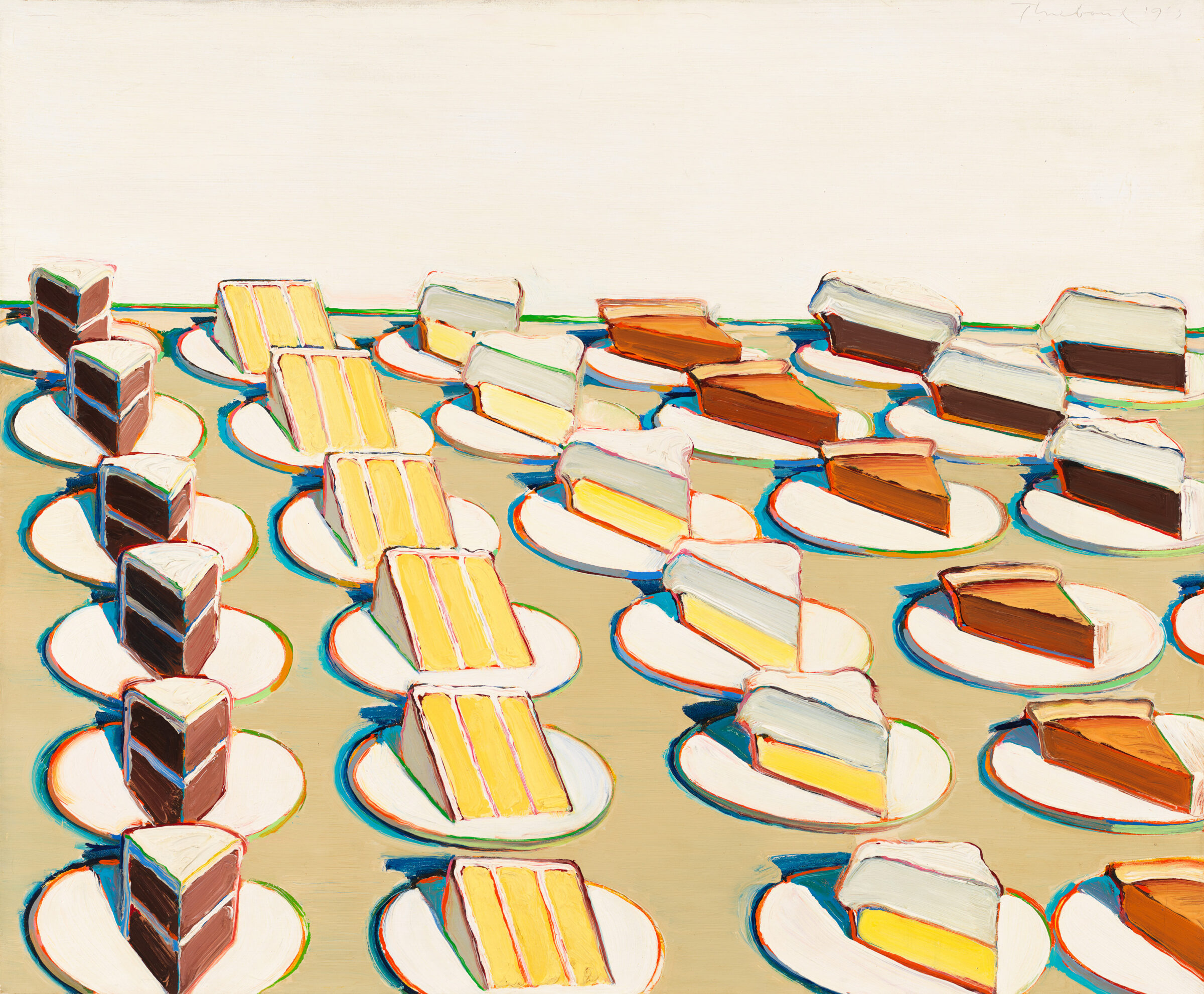
Birthdays and popularity
Two of the last small things I’ve added to the Whitney’s online collection are a page for birthdays, and filter options for sorting by most or least recent views (in the last 30 days, updated nightly). I keep finding myself coming back to these features even though it’s all data I could access before. I think it matters (a lot) that they’re in the regular UI for the site, and I hope it’s not just me and the bots that are using them. The birthdays page in particular looks to be quite popular, but our traffic figures seem increasingly unreliable given the number of scrapers out there…
-
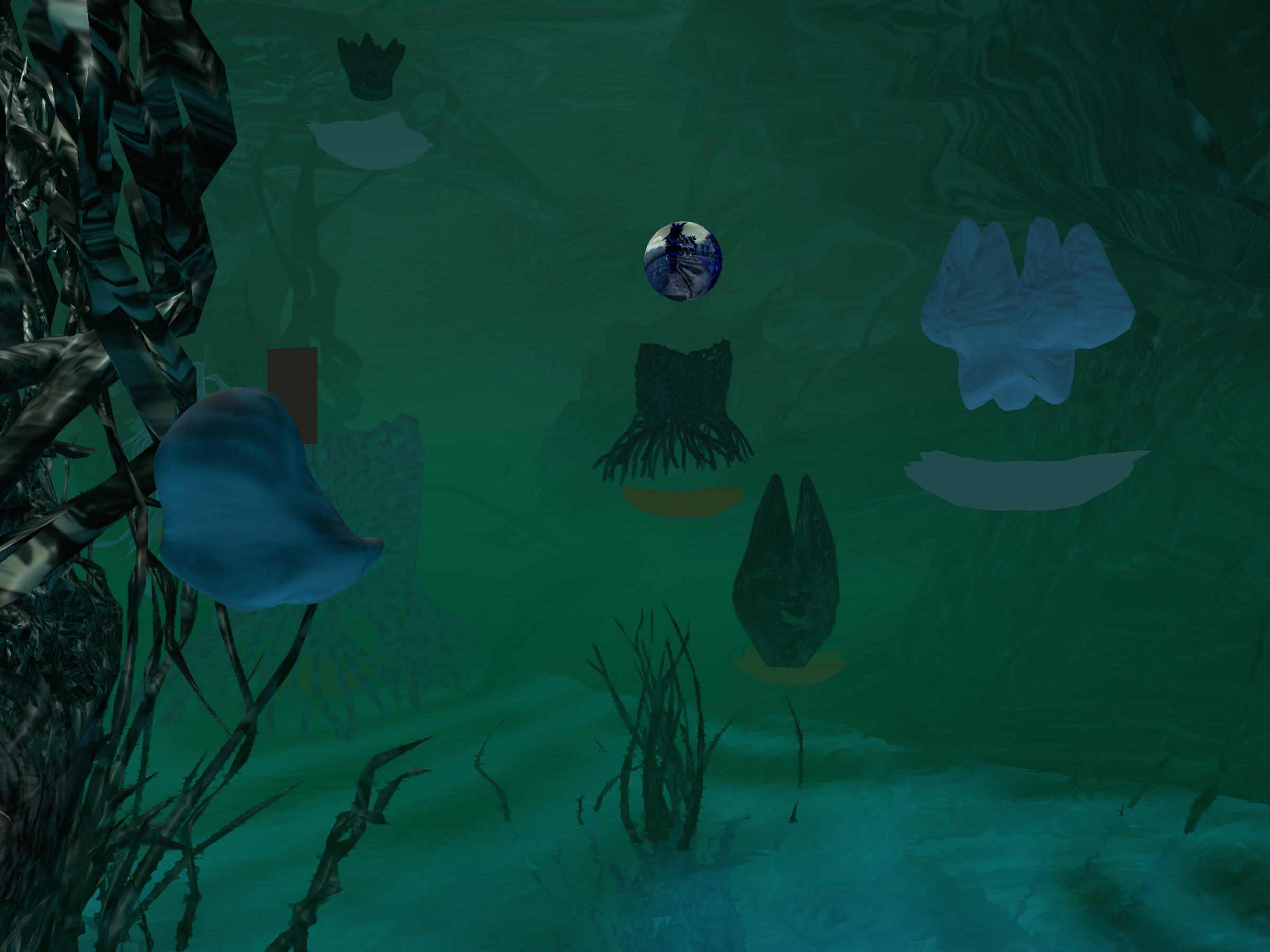
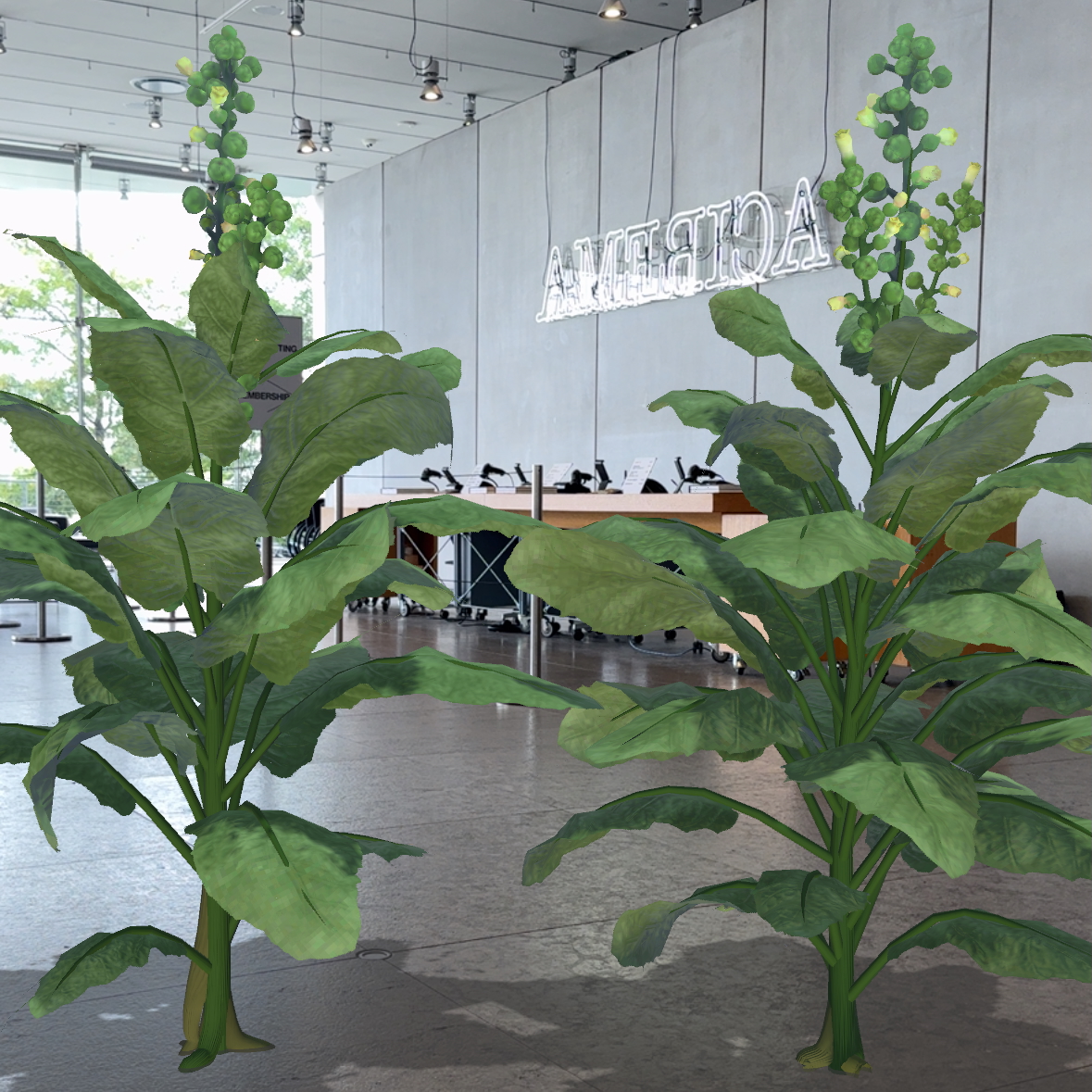
Leo Castañeda: Camoflux Recall Grotto
Most of what I did here was make our web server properly handle all the different types of compressed Unity assets, which is not the most glamorous work. But the piece (and the show) are worth seeing if you can. Be a little drone, grow some plants.
-
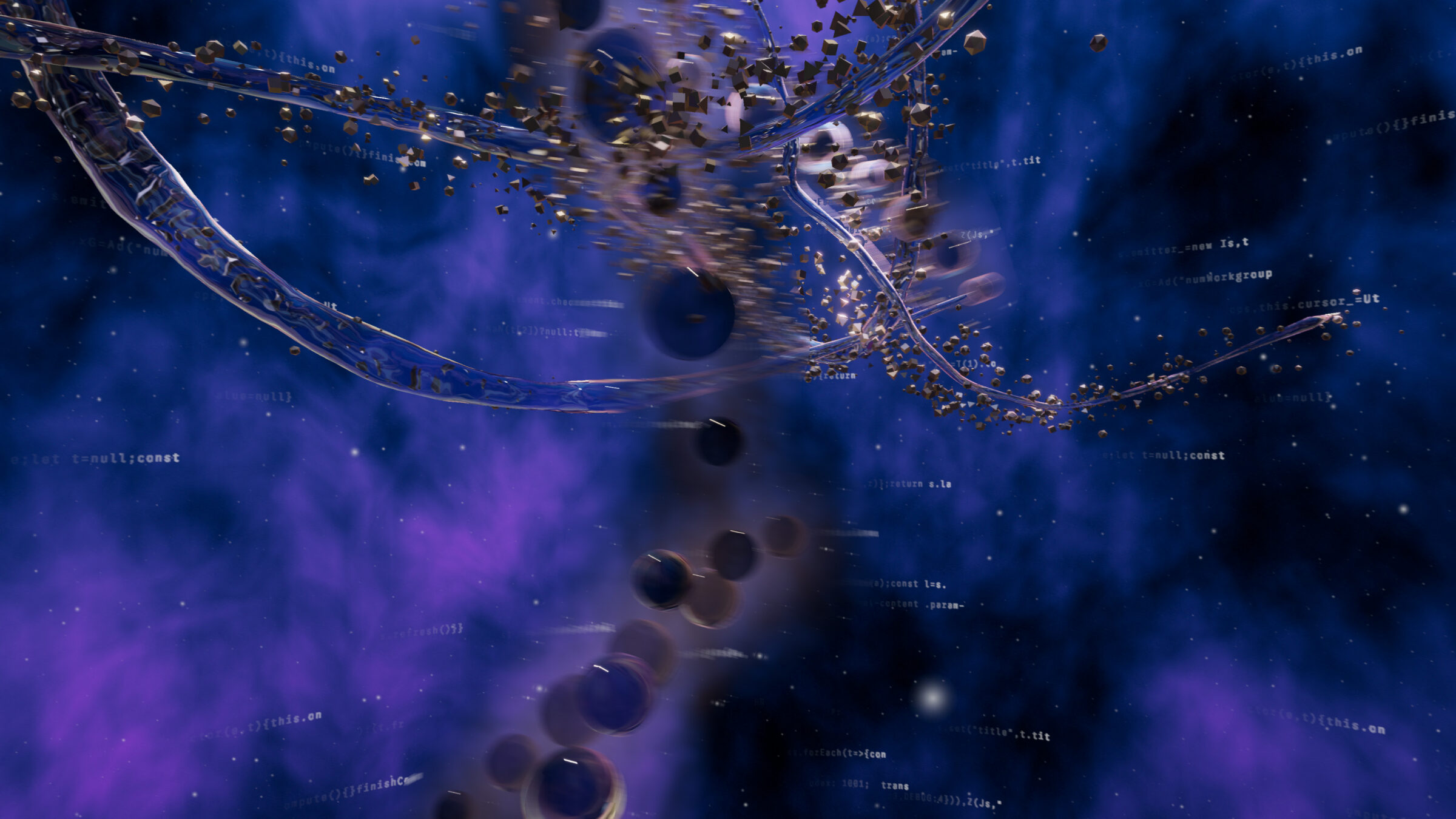
Memo Akten & Katie Hofstadter: The Thinking Ocean
“I’m currently on an oceanographic research vessel somewhere in the Pacific, and may be slower than usual to reply.”
—Memo and Katie’s out of office, while working on this project.
-
Dumping complex infrastructure for scripts and a(nother) new online collection
I feel doomed (complimentary) to write these posts every few years about rebuilding an online collection. Maybe that’s because they’re always glued together, always better than what came before but simultaneously still a messy bridge between systems. This is by my count the 3rd major new online collection I’ve worked on for the Whitney, on top of an untold number of smaller tweaks and rewrites. Sometimes there’s big new features this enables (see: portfolios, high resolution images, exhibition relationships), and sometimes, like this time, it’s quieter (see: better colors in images, verso titles). I think it’s important to acknowledge this work while also understanding that it is the kind of non-flashy, incremental improvements that are difficult to grab attention for, and despite the evidence hard to always write about…
-
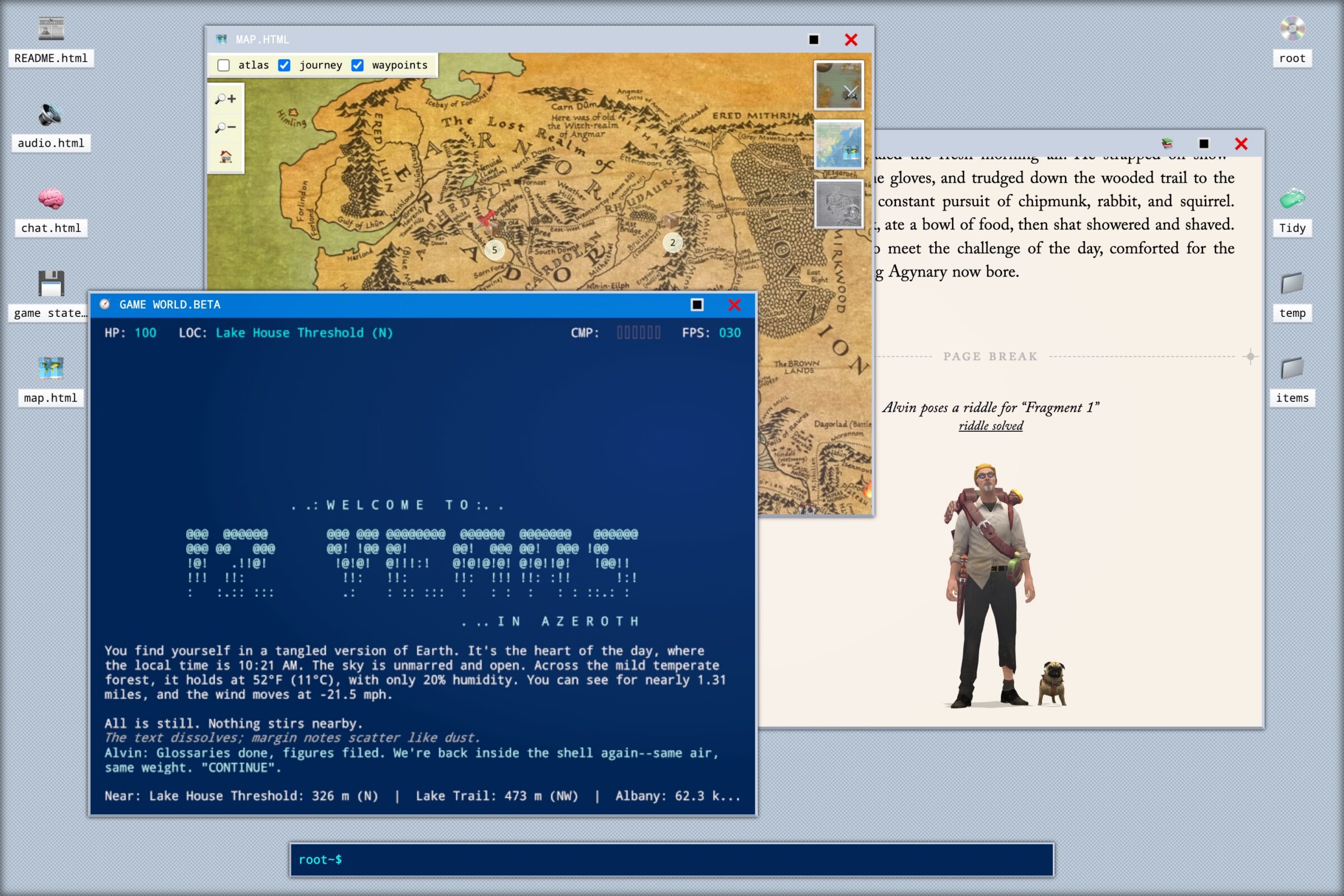
12 Years in Azeroth
I never played WoW, but I’ve played this so I’ve kind of played a person playing WoW. It’s a work of interactive nonfiction and fiction, with a full computer desktop, some light gameplay, and a healthy amount of reading.
-
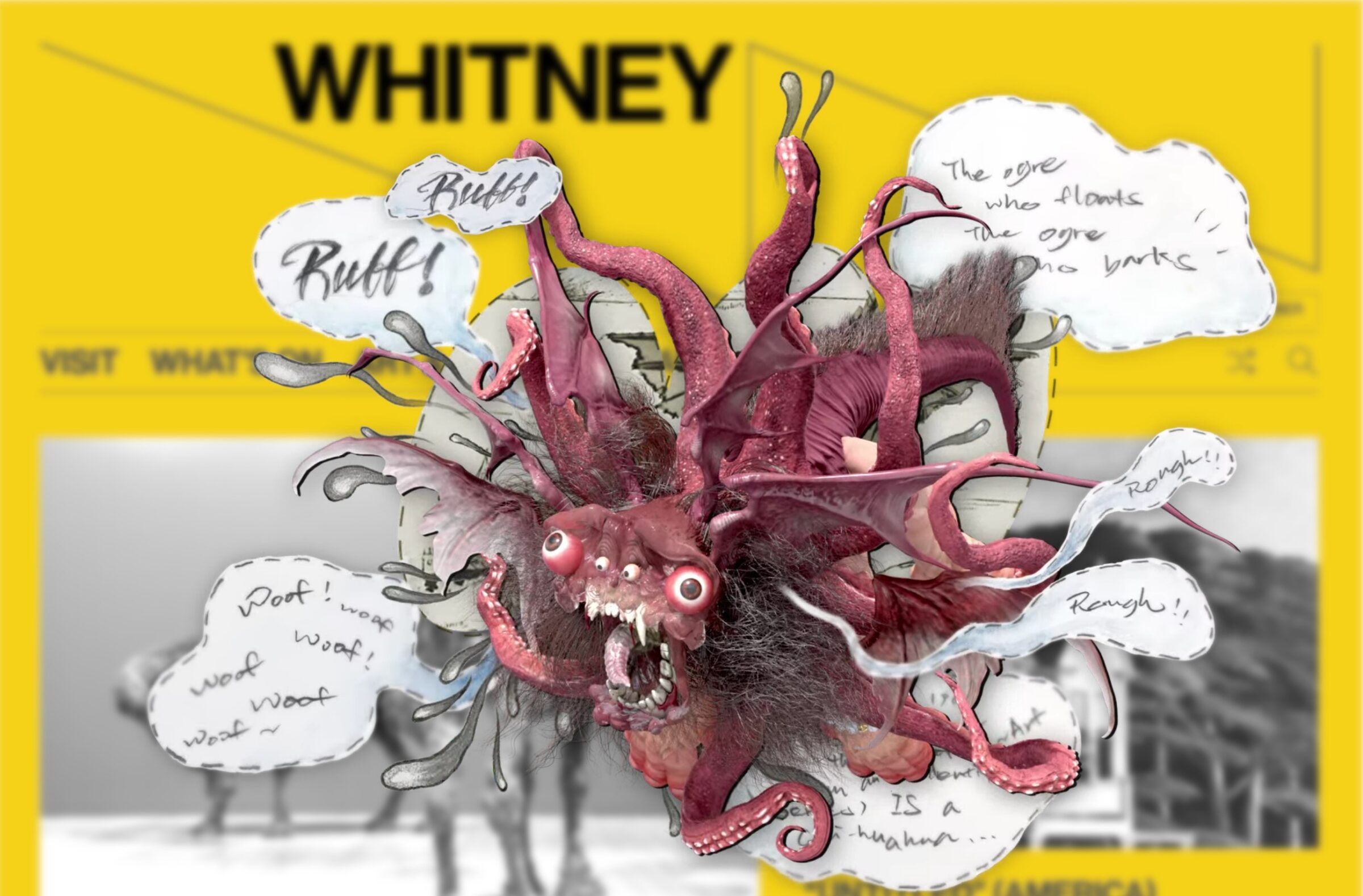
The Levitating Perils #2
Video with alpha channels still has very weird support in 2025, which I would categorize as a “bad” surprise. Don’t think about that when you’re watching the newest On the Hour commission though because it’s good, especially the 🐉.
-
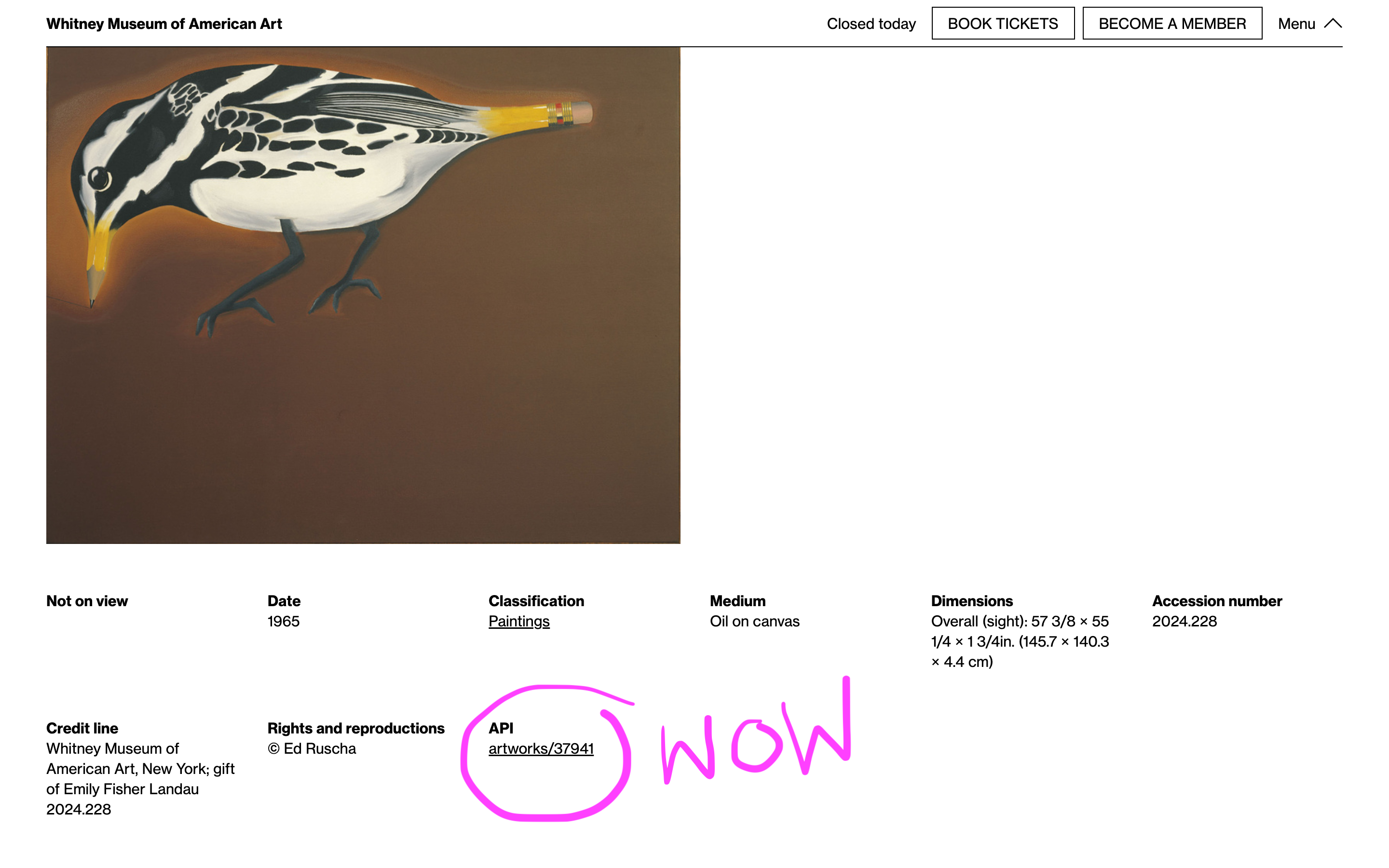
I made an API and now it gets 200k+ requests a month
Having an API always made sense for the museum. An API provides structured, always up to date, machine-readable access to our public data that complements our existing flat file Open Access datasets. The challenge was always a) how feature rich does that API need to be and b) can we include enough material to make it useful…
-
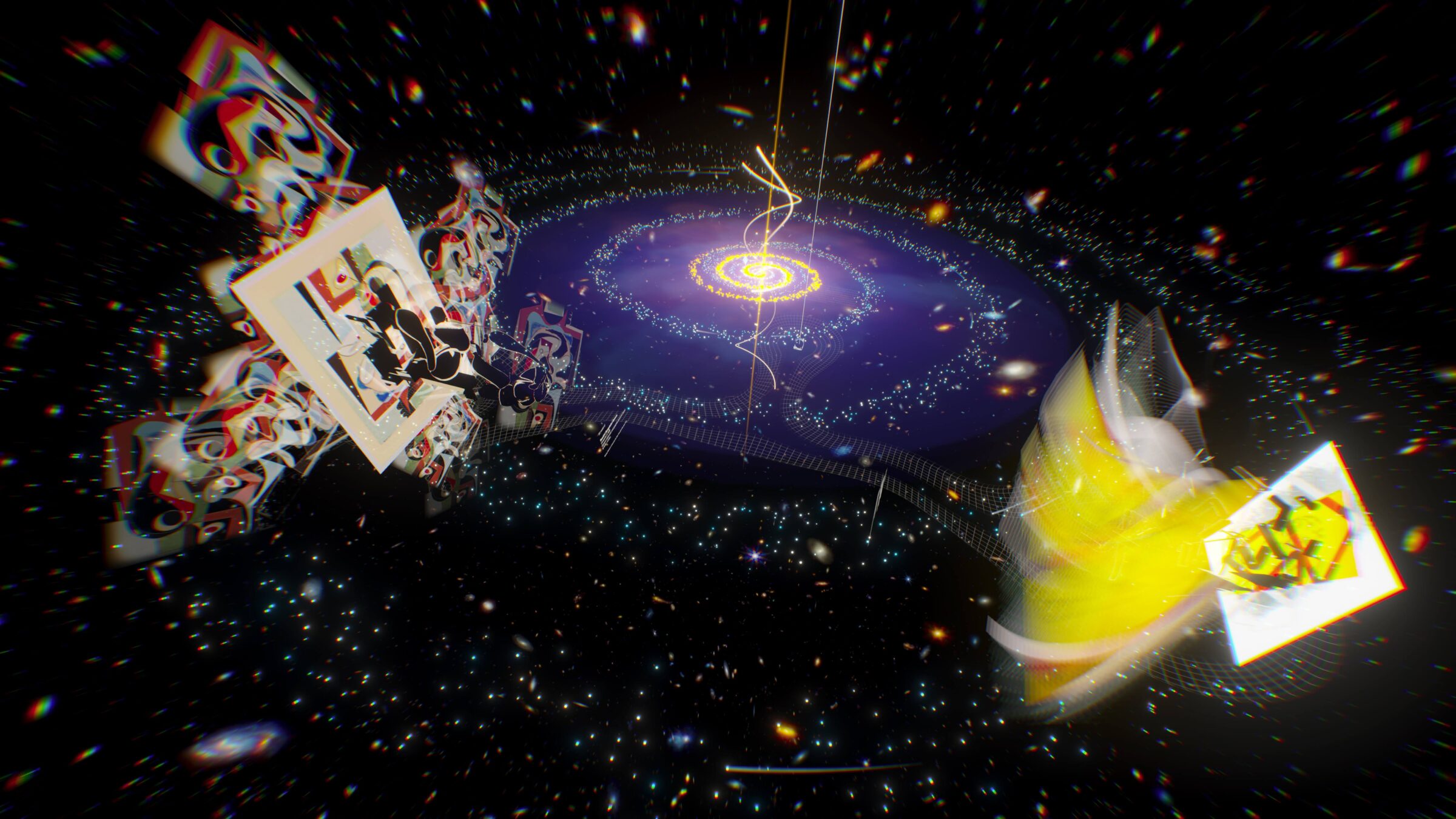
Twin Quasar
Between Sapponckanikan and this project with Ashley Zelinskie I do Unity now, sort of. Twin Quasar explores gravitational lensing and two works in the museum’s collection, and can be viewed on MONA, whitney.org, and an app on Apple Vision Pro. I mostly worked on prepping the archival version.
-
![A possum with it's mouth open with the caption, Your art does not meet Guideline 4.2.1 Minimum Functionality, followed by [Screaming beings].](https://colinbrooks.com/wp-content/uploads/2025/01/possum_rejection.jpg)
App stores and museums
A couple months ago I had the pleasure or burden of releasing either the first apps ever, or the first apps in the last decade for the Whitney Museum. Working with Steven Fragale we revived Sapponckanikan, an app he and Alan Michelson released and first showed at the Whitney in 2019 as part of Wolf Nation…
-
Sapponckanikan
I worked with Steven Fragale to revive this 2019 augmented reality (AR) work for re-release in 2024 on both the Apple and Android app stores, in addition to an exhibition-specific build for display on iPad.
-
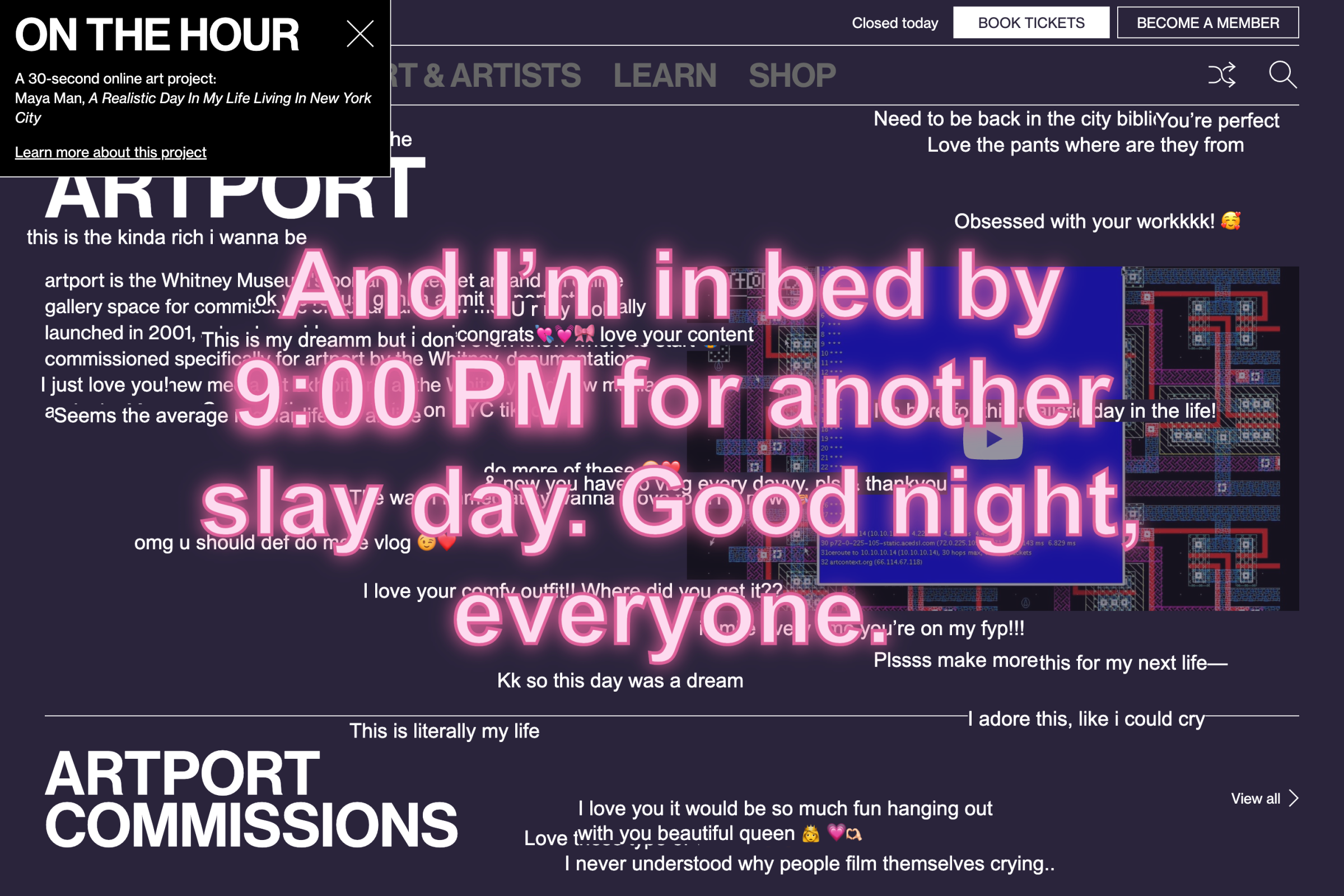
A Realistic Day In My Life Living In New York City
I’ve watched a billion hours of TikTok but unlike Maya Man I have nothing to show for it, who I worked with for the first true On the Hour commission for whitney.org.
-
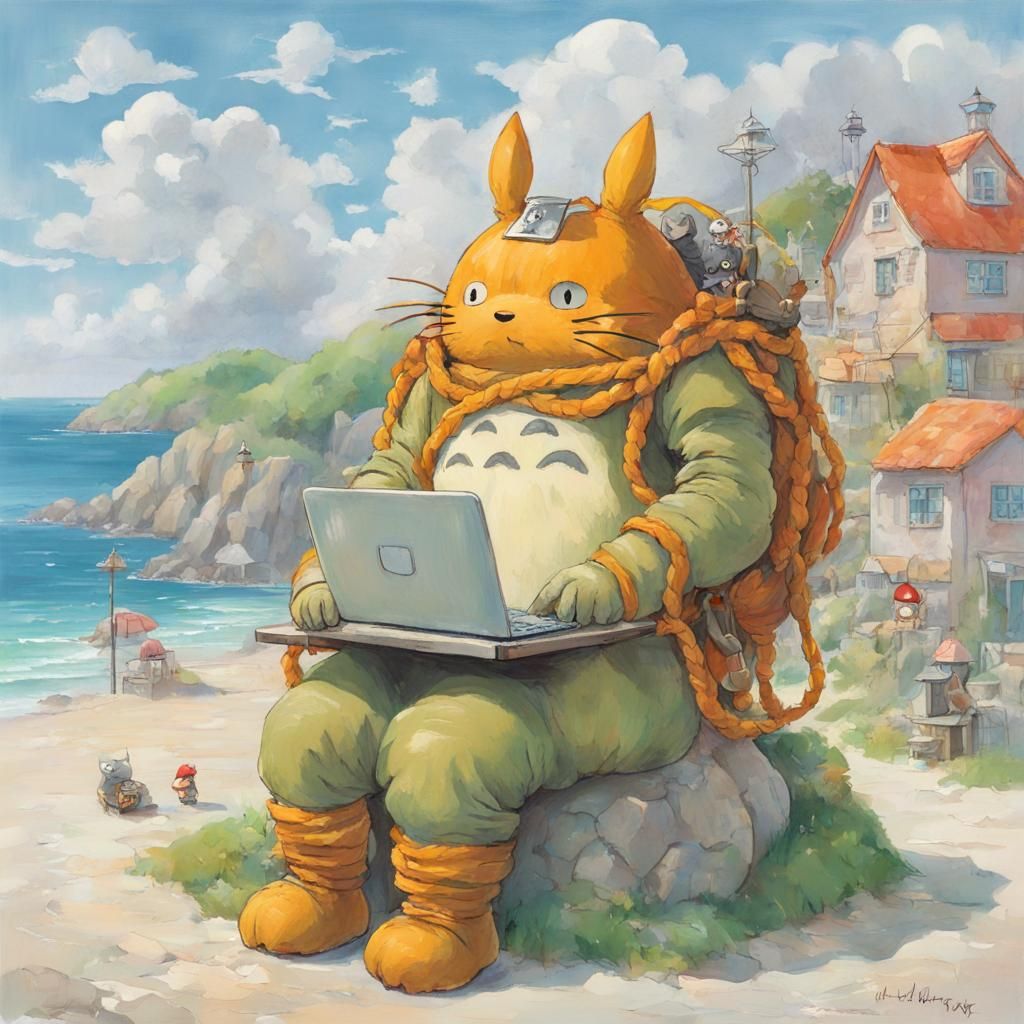
xhairymutantx
For the 2024 Whitney Biennial I worked with Holly Herndon + Mat Dryhurst to build an app that takes user generated prompts and creates images with SDXL and a custom LoRA.
-
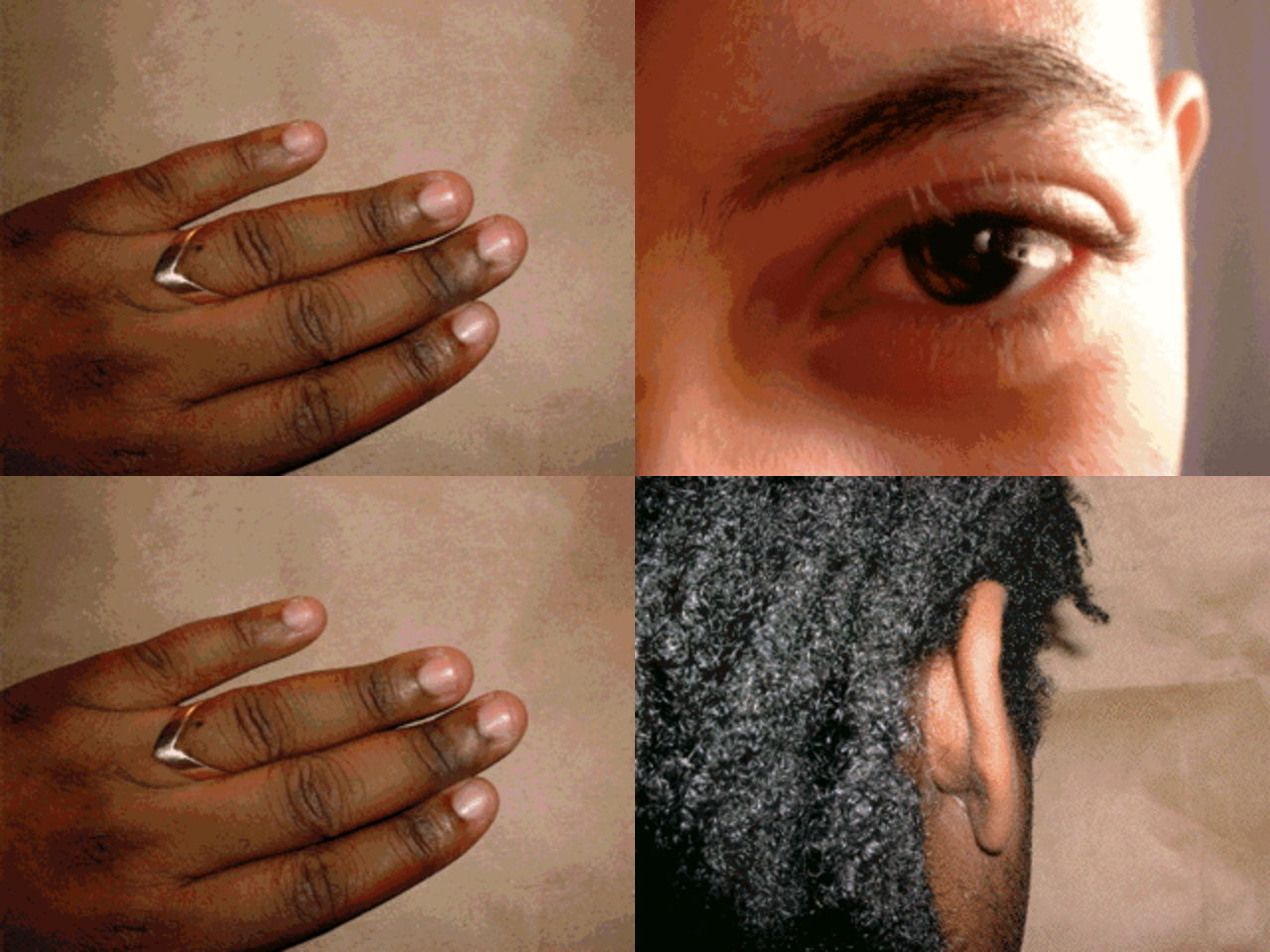
More classic net art
After [too long] all 57 artport “Gate Pages” are properly archived and mostly working again. This series ran from 2001 to 2006, and it’s an interesting time capsule of an experimental era, filled with Perl, Flash, and Java applets.
-
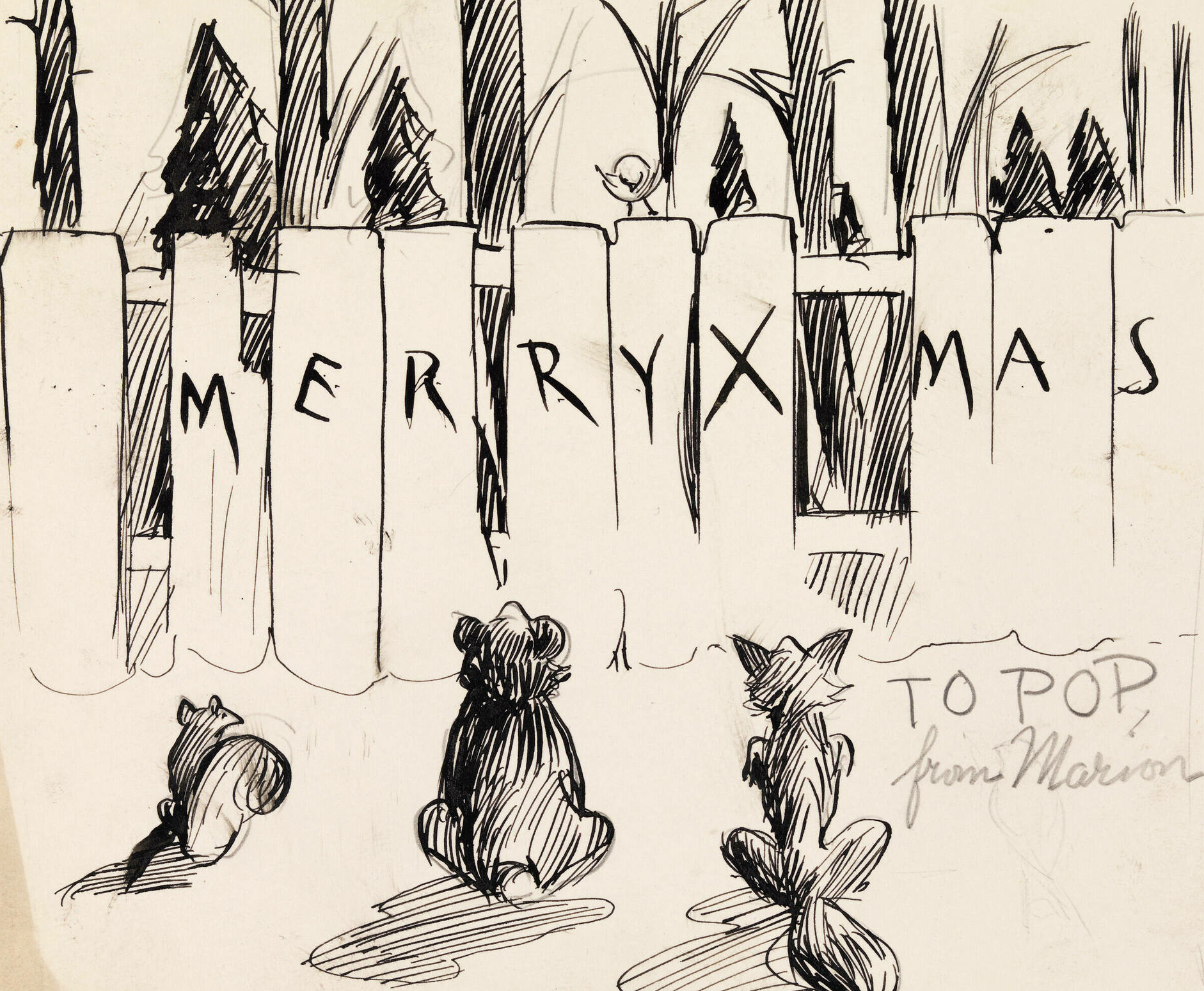
Keyword tagging artworks with GPT4 and Google Vision
I have no data to back this up (a great way to start a blog about data), but I think when people visit a museum’s online collection there are two kinds of things they’re likely to type in a search box if you give them the chance 1) something specific and relevant to that collection 2) an animal they like. For somewhere like the Whitney the former is largely solvable with existing metadata, but the latter presents a real problem. How do you tag a constantly growing collection of tens of thousands of objects with terms that may also shift and change over time? The answer might ideally be “carefully” and “with actual people”, but this is Museums and everyone is already busy…
-
Rachel Rossin: The Maw Of
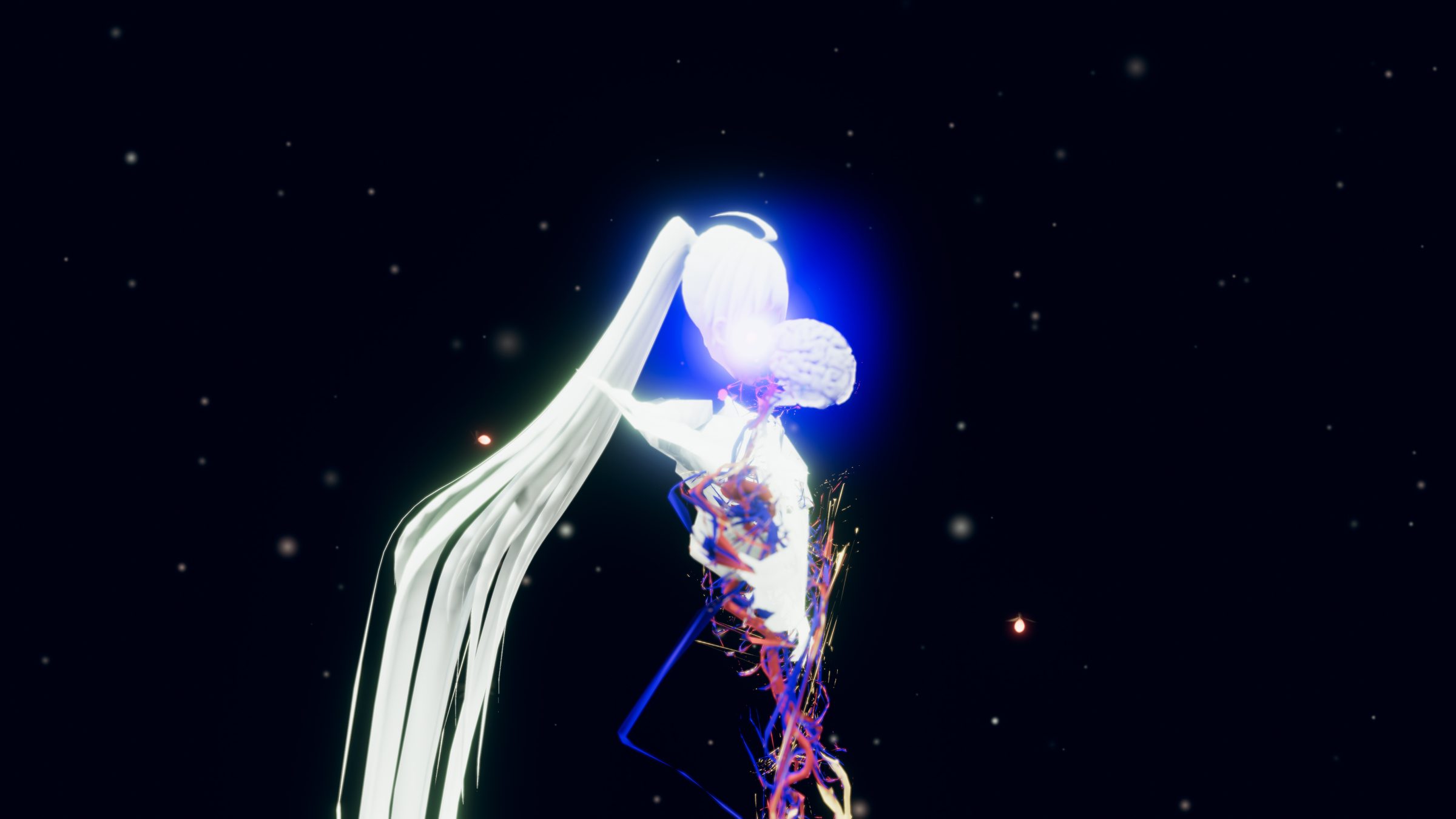
The Maw Of is an immense, incredible project with a ton of moving pieces. And some of those pieces took a fair bit of work to adapt to the museum’s various systems, including an IRL installation for Refigured.
-
Rebuilding digital signage at the Whitney
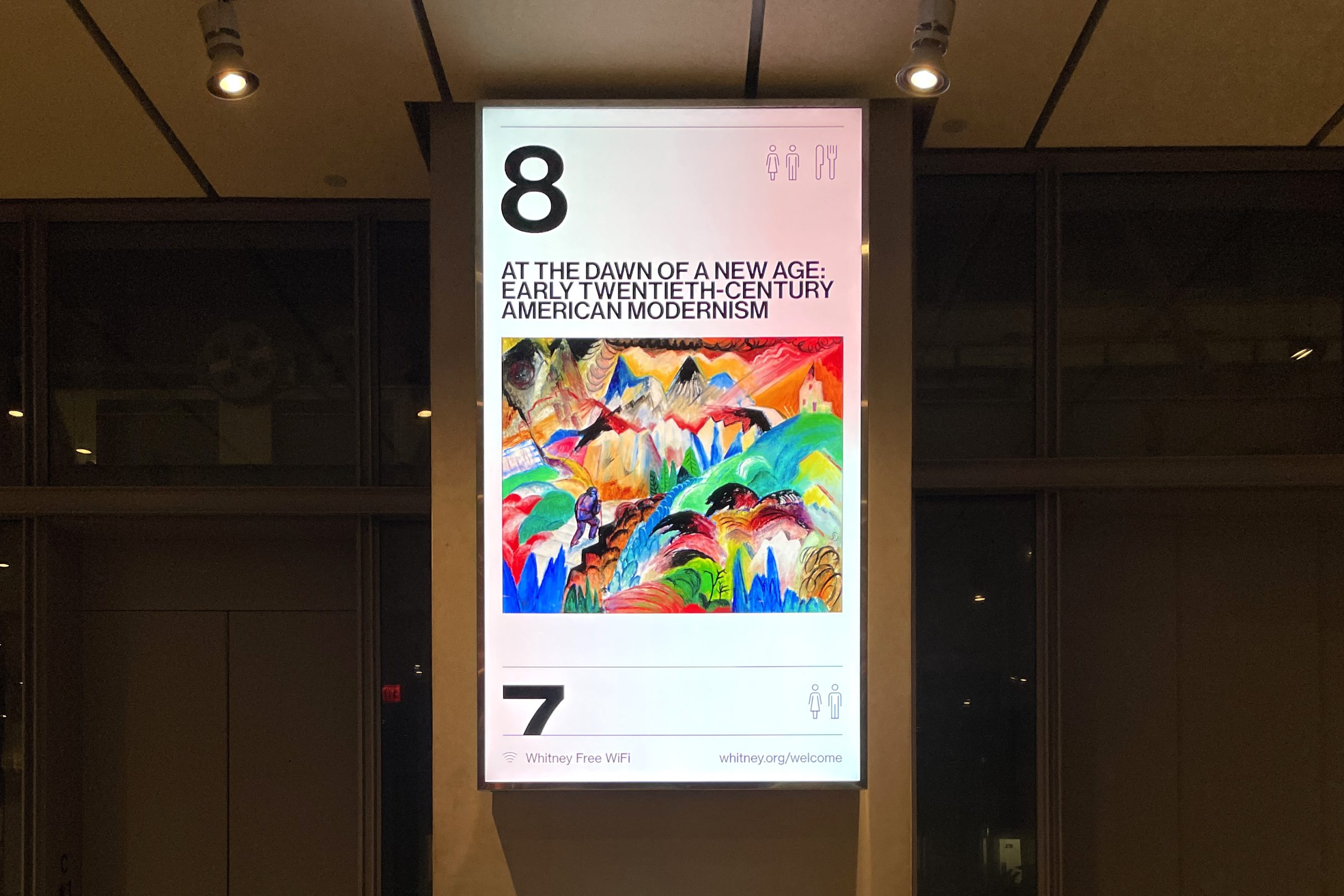
It’s webpages. The museum’s new digital signage system is webpages…
-
Mimi Ọnụọha: 40% of Food in the US is Wasted (How the Hell is That Progress, Man?)
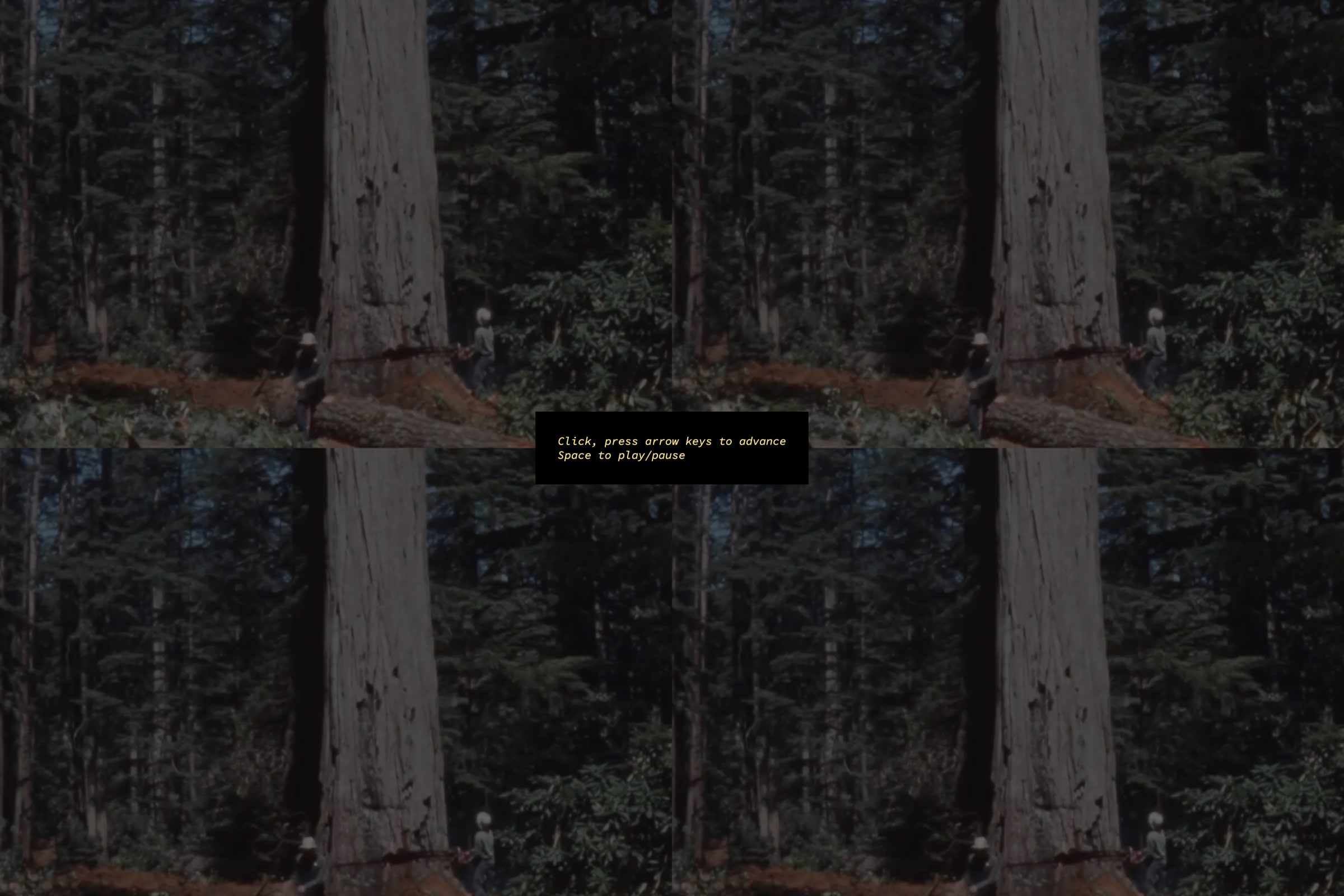
I did the coding for this project which included some slightly tricky video crossfading for seamless playback. The music loop is going to play in my head forever.
-
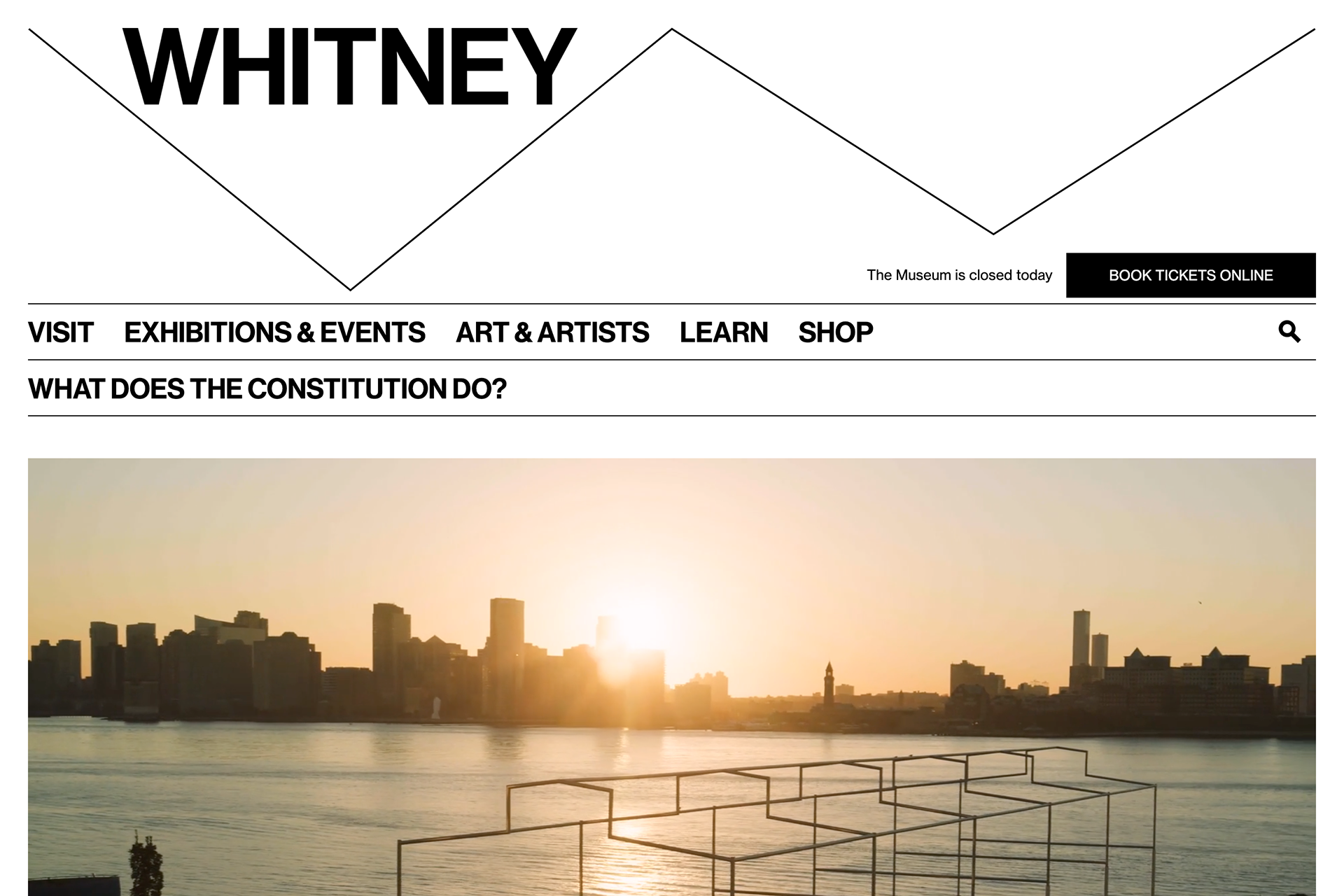
Rayyane Tabet: Becoming American
Becoming American is a project for the 2022 Whitney Biennial that includes a technical intervention across all of whitney.org, where visitors are prompted with questions from the US citizenship test.
-
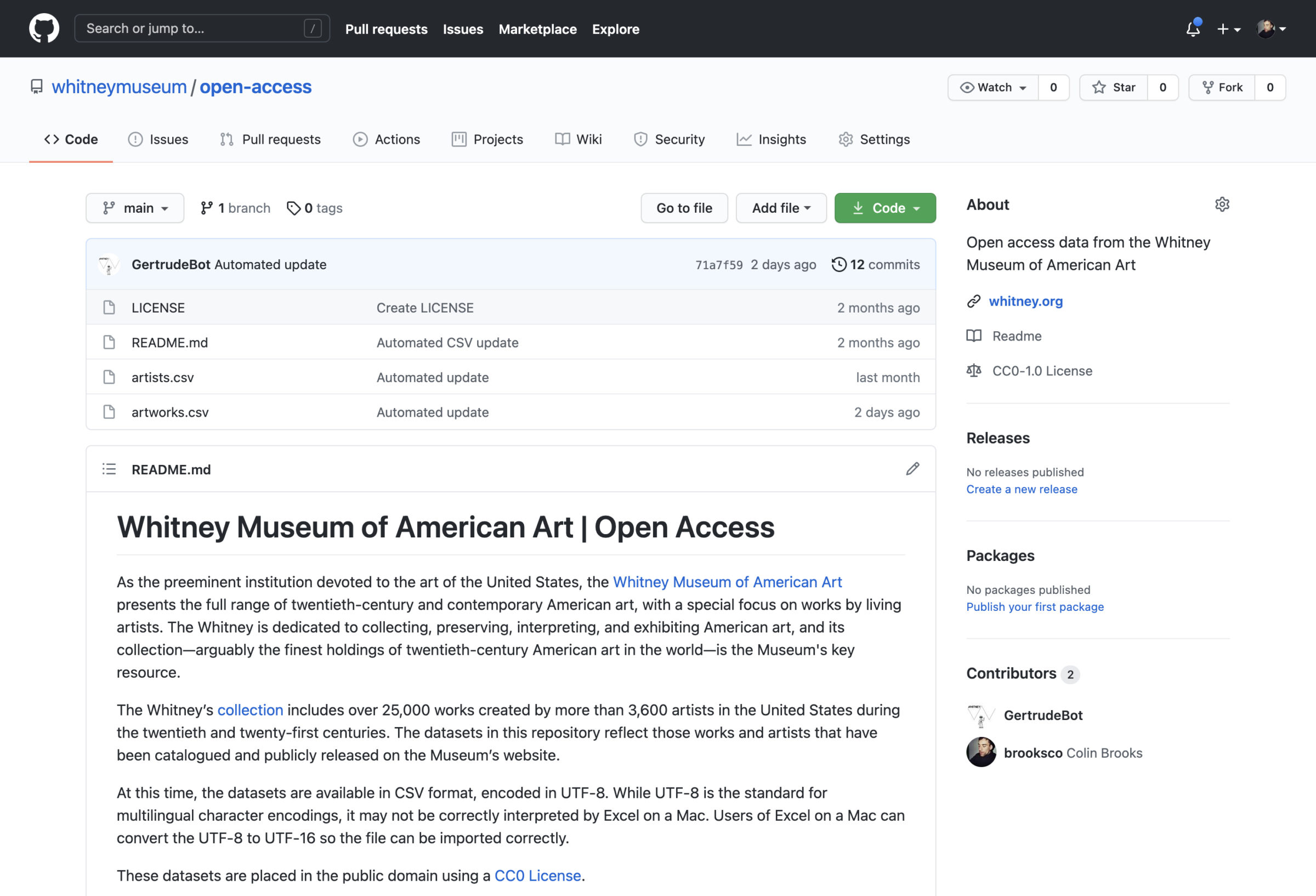
Stepping into open access
This is what we are here for, as a sector: To make the results of human creativity from all times and all corners of the world accessible to all citizens, to foster new knowledge and inspire new creativity…